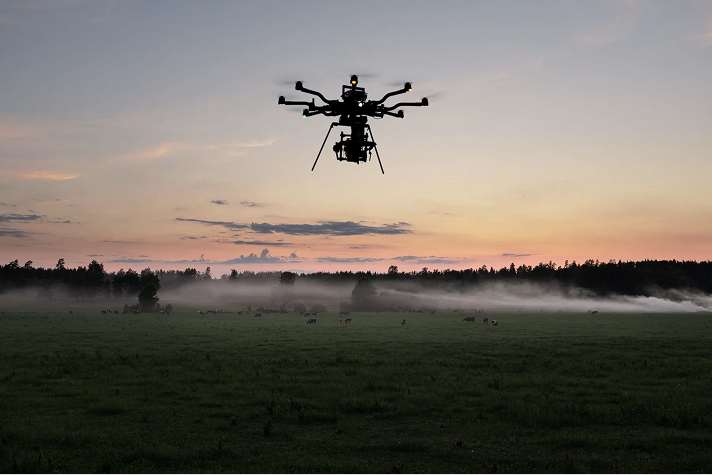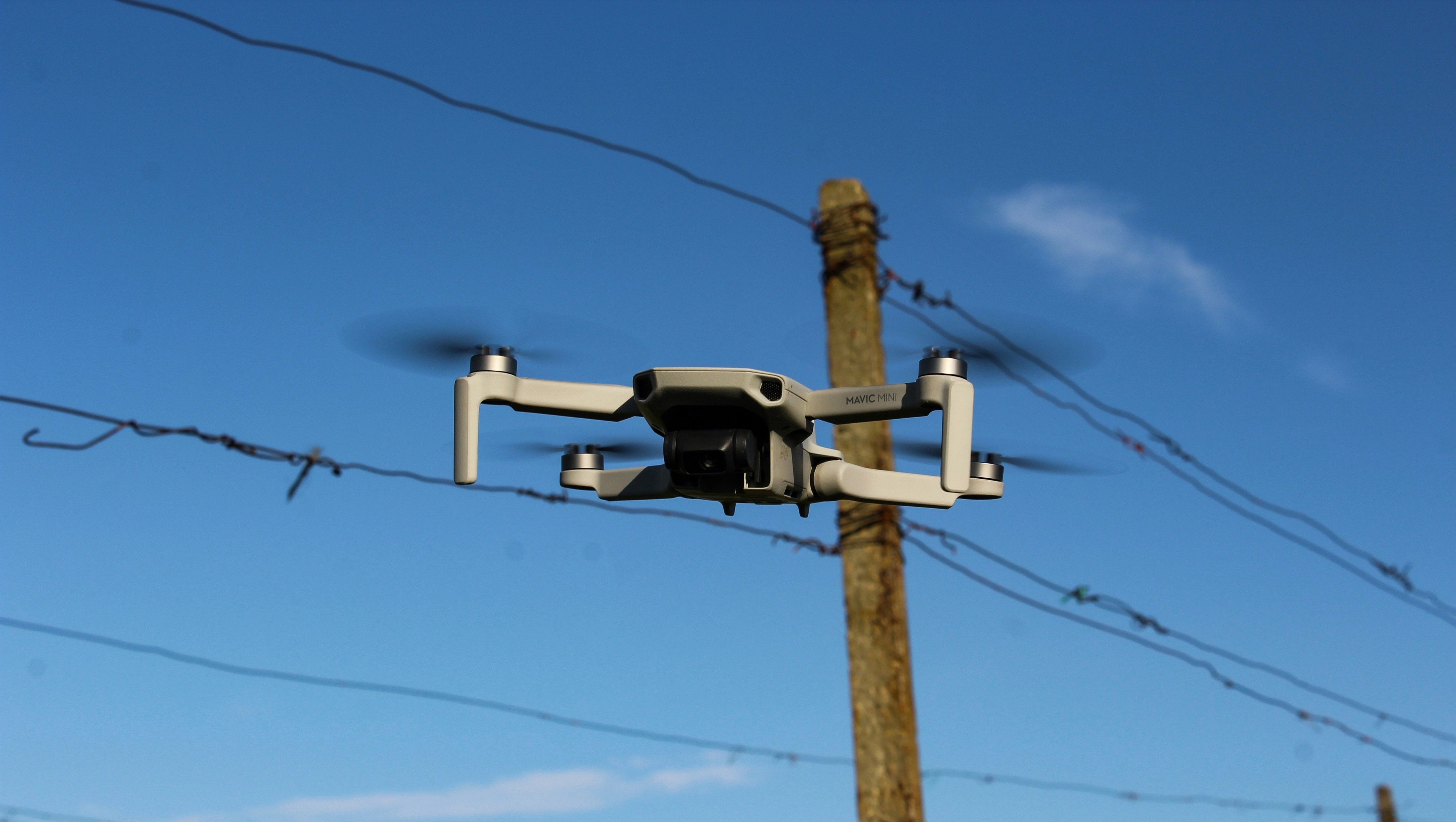
Modulai created a multi-model AI pipeline that screens vast amounts of drone images to detect faulty guy wires on transmission poles. The system combines deep learning segmentation, object detection, and curve-fitting regression to identify sagging wires, helping power grid operators prioritize maintenance and prevent failures.
Challenge
Guy wires are tensioned cables designed to add stability to transmission poles. If a wire is not correctly tensioned, it can pose a risk to the public and the power line. Being able to find defective guy wires on time helps the client's customers prioritize maintenance tasks and prevent further problems in the electric grid.
Solution
The team broke the problem into multiple stages and created a multi-model AI solution. A state-of-the-art segmentation model identifies wires, an object detection model selects the correct wire, and an iterative regression model fits mathematical curves to the point set. Finally, a measure of curvature is calculated and thresholded for detection, indicating whether a guy wire is straight or sagging.
Tools
Training and validation pipelines were developed in Python and PyTorch with data versioning performed using DVC. Various open-source Python libraries were used for image processing, training, and validation. The solution was deployed in the client's cloud and runs as a batch job, assessing incoming images on a regular basis.
Value created
The system is deployed in the client's cloud and runs as a batch job, screening incoming drone images on a regular basis. By flagging sagging guy wires automatically across large volumes of imagery, it lets grid operators find defective wires that would otherwise require manual inspection, so maintenance can be prioritized before a wire becomes a risk to the line or the public.
Learn more