Spotting meals from a diabetes patient's glucose data
Deep learningTime-series classificationCost savingProcess efficiency
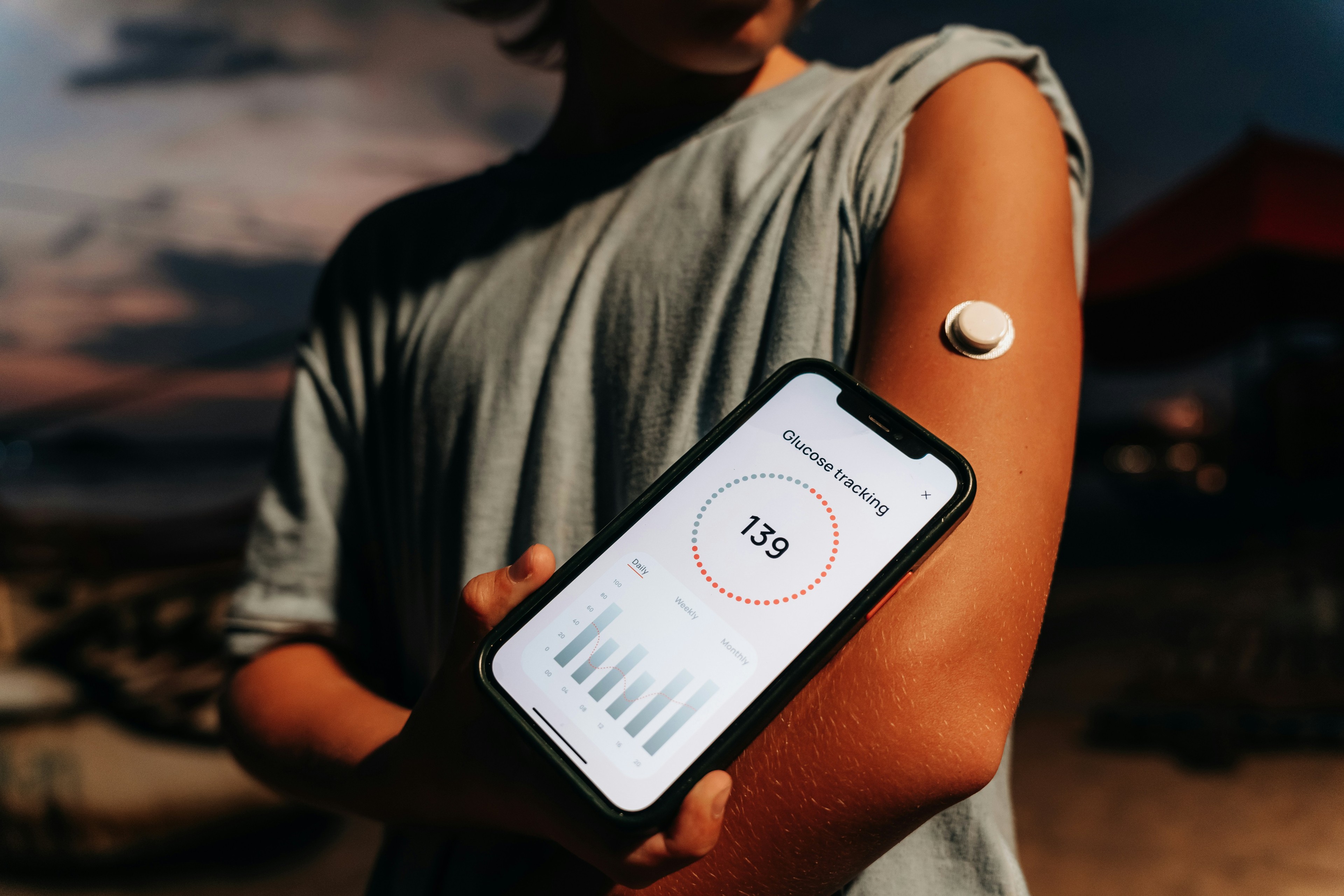
Modulai built a deep learning system that detects meals from continuous glucose monitoring (CGM) data. It helps physicians analyze patient data at scale, optimize individualized insulin treatment, and detect false meal reporting, ultimately improving care for people living with type 1 diabetes.
Stats
9.5M
Type 1 diabetes patients
20%
Error in manual counting according to study
10M
CGM systems in use worldwide
Challenge
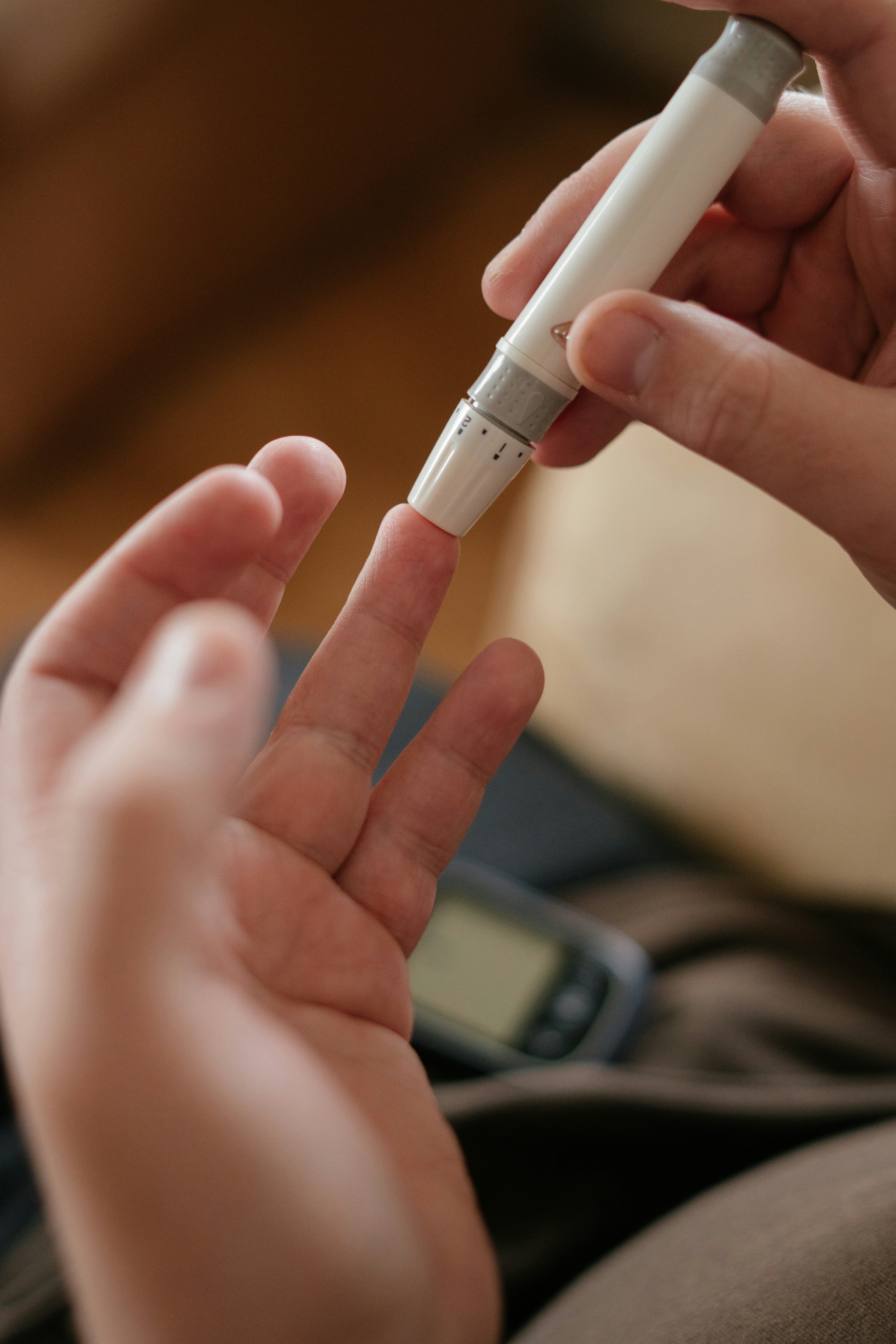
More than 9.5 million people worldwide live with type 1 diabetes and require insulin-based treatment to survive. There is no one-size-fits-all treatment; physicians need support in optimizing therapy for each individual patient. Manual meal annotation is error-prone, and some patients circumvent poorly tuned treatment plans by falsely reporting food intake — a phenomenon known as 'ghost carbs.'
Solution
In collaboration with Digital Diabetes Analytics, Modulai created a deep learning system that uses CGM sensor data to automatically detect meal intakes. The system helps physicians analyze large volumes of glucose and insulin data, supports treatment optimization, and reduces errors from manual meal annotation. It also aids in identifying ghost carbs by flagging discrepancies between reported and detected meals.
Tools
The team worked closely with the client's health experts to verify and analyze data from CGM sensors and patient-annotated meals. Using time-series data, they built a CNN-based model that predicts when a patient had a meal intake. Model training and evaluation were carried out using open-source libraries such as TensorFlow.
Value created
The system enables physicians to process large amounts of CGM data more efficiently, supports personalized treatment optimization, and reduces annotation errors and false meal reporting.